Socket Tester for EV Charging
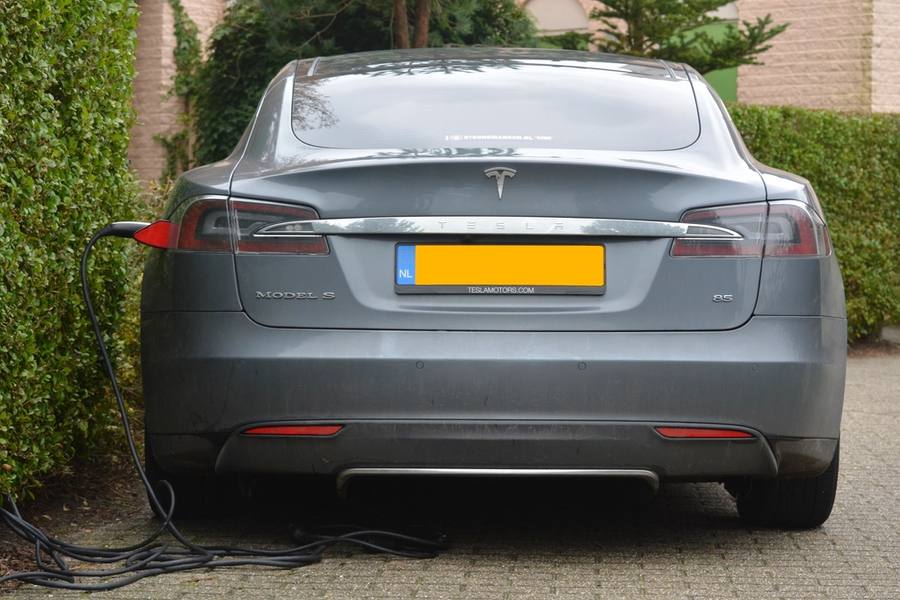
Symbolbild (Stockfoto); nicht das abgebildete Produkt.
Why Check A Socket At All
Charging draws near a socket's maximum continuously for many hours, which is a load that reveals wiring faults a kettle never would.
A socket with a missing earth, reversed live and neutral, or a loose connection may work normally for light use and become dangerous under sustained load.
A tester takes seconds and identifies those faults before you commit to hours of high current, which is a sensible precaution at somebody else's property in particular.
What It Detects
Basic testers show correct wiring, reversed connections, missing earth and missing neutral through a pattern of indicator lights.
Better ones test the residual current device, verifying that the protective device actually trips, which is the safety feature that matters most.
What they cannot assess is the condition of the wiring behind the socket, the load on the circuit, or whether the cable is adequate for sustained current.
Where It Genuinely Matters
Charging at a relative's house, a holiday cottage, a rented property or anywhere with unknown wiring is exactly where a quick check is worth doing.
Older properties, outbuildings, garages with extended wiring and anything with visible ageing are the higher-risk cases.
At your own property with a recently inspected installation the value is lower, and even then a socket used for charging is worth confirming once.
It Is Not A Substitute For Inspection
A tester checks a socket, not a circuit. It cannot tell you whether the cable feeding it is adequate, whether connections behind the wall are tight, or whether the circuit is overloaded.
Regular charging from a domestic socket warrants a proper inspection by a qualified electrician, and a tester is a quick screening tool rather than a replacement for that.
Anything a tester flags should go to an electrician rather than being investigated by opening the socket.
Outdoor sockets deserve particular attention because they are the ones most likely to be used for charging and most exposed to the conditions that degrade a connection. Water ingress, corroded terminals and covers that no longer seal all produce exactly the kind of high-resistance connection that heats under sustained load. An outdoor socket used regularly for charging is a stronger case for a proper installed charge point than almost any other scenario.
Warning Signs While Charging
A socket or plug that is warm to the touch during charging is a warning, and charging should be stopped and the installation inspected.
Discolouration around the socket, a smell of hot plastic, or a plug that fits loosely are all indications of a connection that is heating under load.
Those signs are what a tester cannot predict and what attention during the first few charges will reveal, which is why checking the socket physically during early use matters.
The Verdict
A cheap quick check that identifies wiring faults before you draw sustained high current from an unknown socket.
It tests the socket rather than the circuit, cannot assess cable adequacy, and does not replace a proper electrical inspection.
Feel the socket during the first charge. A tester cannot predict a connection that heats under load, and warmth is the warning sign.
Auf einen Blick
Vorteile
- Identifies reversed wiring, missing earth and missing neutral
- Better models verify the protective device actually trips
- Takes seconds and costs very little
- Particularly valuable at unfamiliar properties
Nachteile
- Tests the socket, not the circuit behind it
- Cannot assess cable adequacy or circuit loading
- Does not replace a qualified inspection
- Cannot predict connections that heat under sustained load
Häufig gestellte Fragen
Why check a socket before charging?
Because charging draws near a socket's maximum continuously for hours, a load that reveals faults light use never would. A missing earth or loose connection can be harmless with a kettle and dangerous under sustained current.
Does it replace an electrical inspection?
No. It tests the socket rather than the circuit, and cannot tell you whether the feeding cable is adequate or connections behind the wall are tight. Regular charging from a domestic socket warrants a proper inspection.
What should I watch for while charging?
A socket or plug warm to the touch, discolouration, a smell of hot plastic, or a loose-fitting plug. Those indicate a connection heating under load, which no tester can predict — stop charging and have it inspected.
Spezifikationen
| Type | Plug-in socket tester |
| Detects | Reversed wiring, missing earth, missing neutral |
| Better models | Test residual current device operation |
| Cannot assess | Cable size, circuit load, connection tightness |
| Most valuable | Unfamiliar or older properties |
| Not a substitute for | Qualified electrical inspection |
| Warning sign | Warm socket or plug during charging |
| If it flags a fault | Call an electrician |
Fazit
A quick check for wiring faults before drawing hours of high current. Feel the socket during the first charge — warmth is the warning.
Preis auf Amazon prüfen