Twisted Loop Microfibre Drying Towel
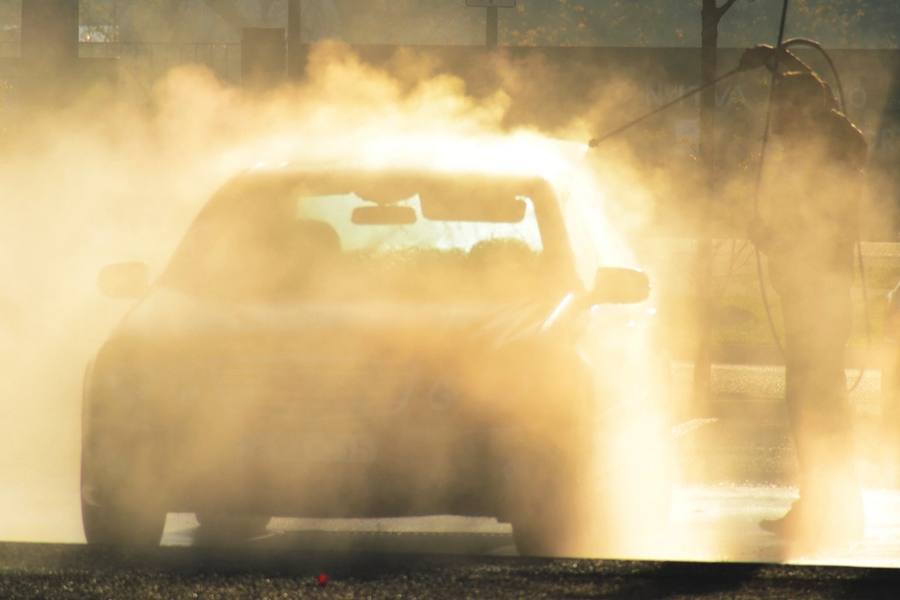
Representative image (stock photo); not the exact product.
The Last Chance To Scratch
A car that has been washed carefully can still be scratched during drying, which is frustrating because all the earlier care is undone in the final step.
Any dirt remaining after the wash, or picked up by a towel that touched the ground, gets dragged across the paint during drying.
That makes the towel and the technique as important as anything earlier in the process, and it is the step most people rush.
Twisted Loop Construction
Twisted loop microfibre has long looped fibres that absorb an enormous amount of water and, crucially, hold grit within the loops rather than against the paint.
It absorbs far more than a flat weave towel, which means a single large towel can dry a whole car without becoming saturated and starting to drag.
A saturated towel stops absorbing and starts pushing water around, which increases contact and therefore risk, so towel capacity genuinely matters.
Technique Reduces Contact
Laying the towel flat on a panel and drawing it slowly across, or simply patting it down and lifting, removes water with minimal friction.
Rubbing in circles is how swirl marks are created, and it is what most people instinctively do.
A blower or a leaf blower removes water from panel gaps, mirrors and badges without any contact at all, which prevents the drips that appear minutes after drying.
Drying Aids
A quick detailer or drying aid sprayed onto the panel before drying adds lubrication, which reduces friction and therefore risk.
It also adds a little gloss and protection, and it helps the towel glide rather than grab, particularly on a car with no existing protection.
On a well-protected car most water sheets off before drying begins, which is a real practical benefit of keeping a coating topped up.
Care And Contamination
Drying towels must be washed separately from other laundry, without fabric conditioner, which coats fibres and destroys absorbency permanently.
A towel dropped on the ground is contaminated and must not go back on the paint until it has been washed properly.
Keeping separate towels for paint, glass, wheels and door shuts prevents the worst cross-contamination, and colour coding them is the simplest way to remember which is which.
Towel size is worth thinking about against the car rather than buying the largest available, since an enormous towel on a small hatchback is awkward to handle and tends to trail onto the ground, which contaminates it instantly. A towel large enough to cover a roof panel in two passes but small enough to control with two hands is the practical size, and many people find two medium towels easier to work with than one very large one.
The Verdict
The right tool for the step that undoes careless work, with enough capacity to dry a whole car and construction that keeps grit away from paint.
Fabric conditioner destroys it permanently, a dropped towel is contaminated, and technique matters as much as the towel itself.
Pat and draw rather than rubbing in circles, and never use fabric conditioner. Those two things prevent most drying damage.
At a glance
Pros
- Enormous absorbency dries a whole car with one towel
- Twisted loops hold grit away from the paint
- Minimal contact when used by patting or drawing flat
- Works well with a drying aid for extra lubrication
Cons
- Fabric conditioner destroys absorbency permanently
- A dropped towel is contaminated until washed
- Rubbing in circles creates swirl marks
- Saturated towels start dragging rather than absorbing
Frequently asked questions
Why not just use any towel?
Twisted loop microfibre absorbs far more and holds grit within the loops rather than against the paint. A flat weave saturates quickly and then pushes water around, which increases contact and therefore risk of scratching.
What is the right technique?
Lay it flat and draw slowly, or pat down and lift. Rubbing in circles is what creates swirl marks and is exactly what most people instinctively do. A blower for gaps and badges removes drips with no contact at all.
How should I wash it?
Separately from other laundry and never with fabric conditioner, which coats the fibres and permanently destroys absorbency. Keep separate towels for paint, glass, wheels and door shuts, colour coded so they do not get mixed.
Specifications
| Type | Twisted loop microfibre drying towel |
| Capacity | Typically a whole car |
| Construction | Long loops hold grit away from paint |
| Technique | Pat or draw flat; never circles |
| Drying aid | Adds lubrication and gloss |
| Washing | Separately, no fabric conditioner |
| If dropped | Wash before reuse |
| Blower | Clears gaps and badges with no contact |
The bottom line
Enough capacity for a whole car with grit held away from paint. Pat rather than rub, and never use fabric conditioner.
Check Price on Amazon