Type 2 EV Charging Cable
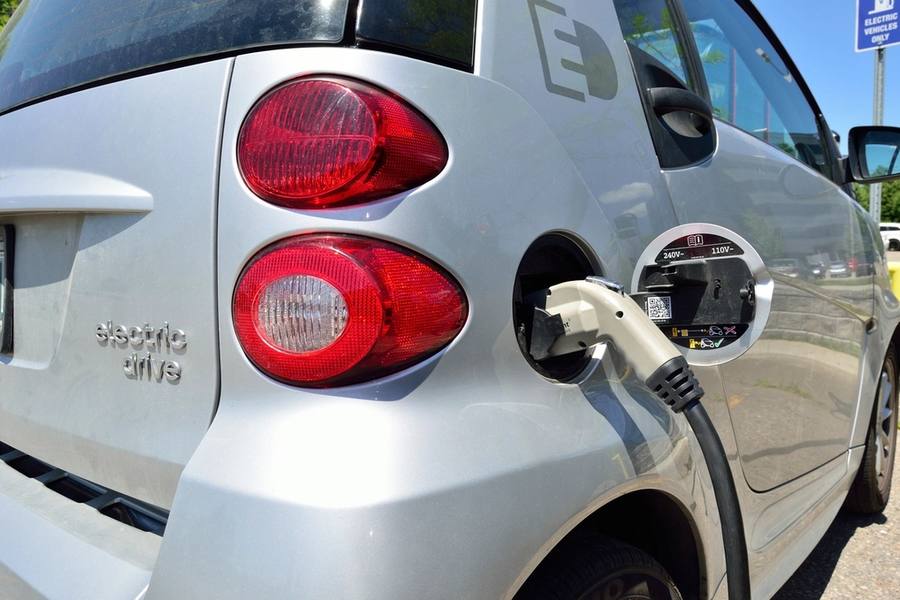
Image illustrative (photo de stock) ; ce n'est pas le produit exact.
Why You Need Your Own
Many public charge points and all untethered home units provide a socket rather than a cable, which means the driver supplies the connection.
Arriving at a charge point without a cable means it cannot be used at all, which for anybody relying on public charging is a stranded situation rather than an inconvenience.
Most electric cars come with one, and a spare or a longer one is a common second purchase for exactly the situations where the supplied cable falls short.
Current Rating Determines Speed
Cables are rated for a maximum current, and a cable rated below what the car and charge point can deliver limits the charging speed to the cable.
A single-phase cable on a three-phase charge point charges at single-phase speed, which on a car capable of three-phase charging is a substantial difference.
Matching the cable to the car's maximum rather than buying the cheapest available means the cable never becomes the limiting factor.
Length And The Trade
Longer cables reach charge points that are awkwardly placed relative to a parking bay, which in public car parks is common.
They are also considerably heavier, bulkier to store, and more expensive, and a very long cable is genuinely unpleasant to coil in rain.
Around five metres is the usual compromise, with longer versions worth it for anybody who regularly encounters awkward charge point positions.
Cable weight is the specification people notice only after living with one, since a longer higher-rated cable is genuinely heavy to lift, coil and carry across a car park repeatedly. Lighter cables using thinner conductors exist and are correspondingly limited in current, which brings the decision back to matching the rating to the car rather than to the arm. Anybody charging in public frequently feels the weight difference far more than the length difference.
Storage And Condition
Cables live in a boot and get wet, dirty and coiled repeatedly, and a bag keeps the boot clean and the cable from tangling.
The connectors are the vulnerable part and should be kept out of grit and water, and caps or a bag protect them.
A damaged cable or connector must be replaced rather than repaired, since these carry substantial current and improvised repairs on charging equipment are genuinely dangerous.
Locking And Theft
Charging cables are valuable and are stolen, and most cars lock the cable into the vehicle socket while charging, which prevents removal at that end.
The charge point end may not lock, and some units offer it while others do not, so a cable can be taken from the post end while still attached to the car.
Cable locks exist, and in higher-risk locations a cable left overnight is worth securing rather than trusting to the car-side lock alone.
The Verdict
A necessary item for anybody using untethered charge points, where current rating and length are the decisions that matter.
Under-rated cables limit charging speed, long cables are heavy and awkward, and connectors need protecting from grit and water.
Match the rating to your car rather than buying the cheapest. An under-rated cable makes every charge slower than it needs to be.
En un coup d'œil
Avantages
- Required for untethered public and home charge points
- Correct rating means the cable never limits charging speed
- Longer versions reach awkwardly placed charge points
- Can be locked away, unlike a tethered cable
Inconvénients
- Under-rated cables limit charging speed
- Long cables are heavy and awkward to coil
- Connectors are vulnerable to grit and water
- Valuable and targeted by thieves
Questions fréquemment posées
Do I need my own cable?
For untethered charge points, which is many public ones and all untethered home units, yes. Arriving without one means the point cannot be used at all, which for anybody relying on public charging is a stranded situation.
Does the cable affect charging speed?
Yes. A cable rated below what the car and point can deliver limits charging to the cable, and a single-phase cable on a three-phase point charges at single-phase speed. Match the rating to your car's maximum.
How long should it be?
Around five metres is the usual compromise. Longer reaches awkwardly placed charge points in public car parks, and is heavier, bulkier and genuinely unpleasant to coil in rain. Longer suits anyone who regularly meets awkward layouts.
Spécifications
| Type | Type 2 charging cable |
| Needed for | Untethered charge points |
| Key specification | Current rating matched to the car |
| Phase | Three-phase for cars that support it |
| Typical length | Around five metres |
| Storage | A bag keeps the boot clean |
| Damage | Replace rather than repair |
| Security | Car-side lock; consider a cable lock |
Résumé
Required for untethered points, and match the current rating to your car. An under-rated cable slows every charge.
Vérifier le prix sur Amazon