Digital Tyre Pressure Gauge
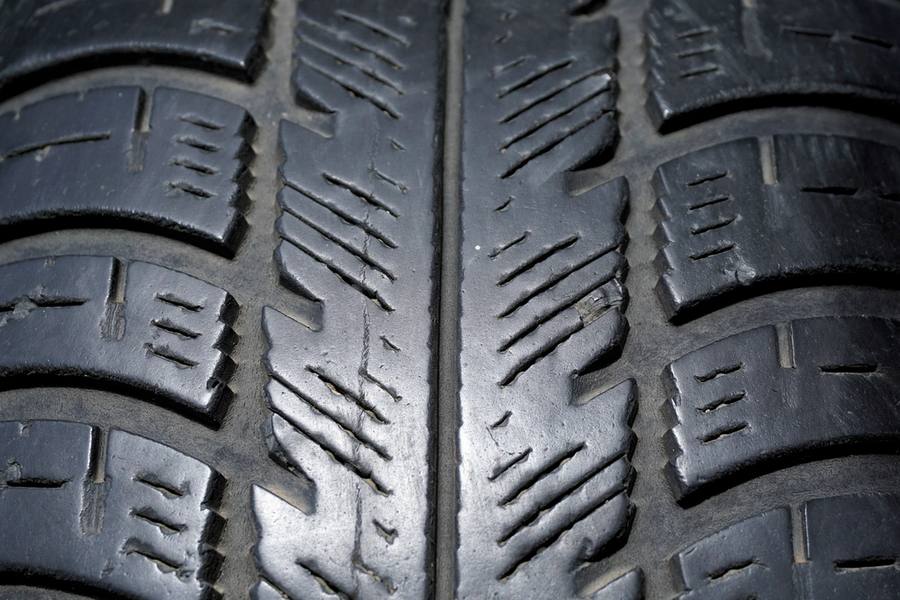
Temsili görsel (stok fotoğraf); ürünün kendisi değildir.
Pressure Affects More Than People Think
An underinflated tyre flexes more, builds heat, wears at the shoulders, uses more fuel and gives longer braking distances, particularly in the wet.
Overinflation reduces the contact patch, wears the centre of the tread, reduces grip and makes the ride harsh.
The correct figure is a compromise the manufacturer arrived at for that specific vehicle, and it is worth meeting rather than approximating.
Forecourt Gauges Are Unreliable
Public air machines are used constantly, dropped, left outdoors, and rarely calibrated. Readings several units out are common.
That matters because a driver setting pressures from an inaccurate gauge believes they are correct, which is worse than knowing they are unchecked.
An accurate personal gauge means you can verify what a forecourt machine has actually delivered, which is the practical reason to own one.
Check Them Cold
Tyres heat up as you drive, and warm air expands, so a tyre checked after a journey reads higher than its cold pressure.
Specified pressures are cold figures, meaning the car has been stationary for a few hours or driven less than a mile or two.
Driving to a forecourt and checking there gives a warm reading, and adjusting to the cold specification at that point leaves the tyre underinflated when it cools. Checking at home before driving is the accurate approach.
Where The Correct Figures Are
The specification is on a sticker in the driver's door shut, inside the fuel filler flap, or in the handbook, and it is not the figure on the tyre sidewall.
The sidewall number is the maximum the tyre can safely hold, not the correct operating pressure for your car, and setting to it is a common and consequential mistake.
Many cars specify different front and rear pressures, and a higher set for full loads, which matters for holidays and anybody carrying passengers regularly.
Frequency And The Spare
Tyres lose pressure naturally, roughly a small amount each month, and monthly checking is the usual recommendation.
Temperature changes affect it too, and a drop of ten degrees over an autumn week measurably reduces pressure, which is why warning lights cluster in the first cold snap.
The spare is routinely forgotten and is exactly the tyre you discover is flat when you need it, so checking it at the same time takes a moment.
Monitoring systems fitted to modern cars are a warning device rather than a substitute for checking, because most only alert once pressure has fallen a significant amount below specification. By the time a light illuminates, the tyre has typically been running underinflated for some time and doing the wear and fuel consumption damage that checking monthly would have prevented. The system catches a sudden loss; a gauge catches the slow one.
The Verdict
A cheap accurate gauge that lets you verify pressures properly rather than trusting a forecourt machine that may be several units out.
Pressures must be checked cold, the sidewall figure is not the specification, and the spare needs checking too.
Check them cold at home. A warm tyre reads high, and adjusting to the cold figure when warm leaves you underinflated once it cools.
Bir bakışta
Artılar
- Accurate, unlike most public forecourt gauges
- Lets you verify what an air machine actually delivered
- Cheap and lives in a glovebox
- Easy to read compared to a dial gauge
Eksiler
- Needs a battery that will eventually be flat
- Accuracy still drifts and cannot be verified at home
- Requires checking cold, which means before driving
- Does not inflate; a compressor is still needed
Sıkça sorulan sorular
Why check cold?
Tyres heat as you drive and warm air expands, so a warm tyre reads higher. Specified pressures are cold figures. Adjusting a warm tyre down to the cold specification leaves it underinflated once it cools, which is the common error.
Should I use the number on the tyre?
No. The sidewall figure is the maximum pressure the tyre can safely hold, not the correct operating pressure for your car. The specification is on a sticker in the door shut, the filler flap, or in the handbook.
Why does my warning light come on in autumn?
Temperature. A drop of around ten degrees measurably reduces tyre pressure, which is why warning lights cluster in the first cold snap. The tyres have not developed a leak; the air in them has contracted.
Teknik Özellikler
| Type | Digital handheld pressure gauge |
| Check when | Cold, before driving |
| Correct figures | Door shut sticker, filler flap or handbook |
| Not the specification | The tyre sidewall maximum |
| Frequency | Monthly, and after temperature drops |
| Also check | The spare wheel |
| Load pressures | Higher set for full vehicle |
| Forecourt gauges | Frequently several units out |
Özet
Check pressures cold at home, using the door sticker figure rather than the sidewall. And check the spare while you are there.
Amazon'da Fiyatı Kontrol Et