Dashboard UV Protectant
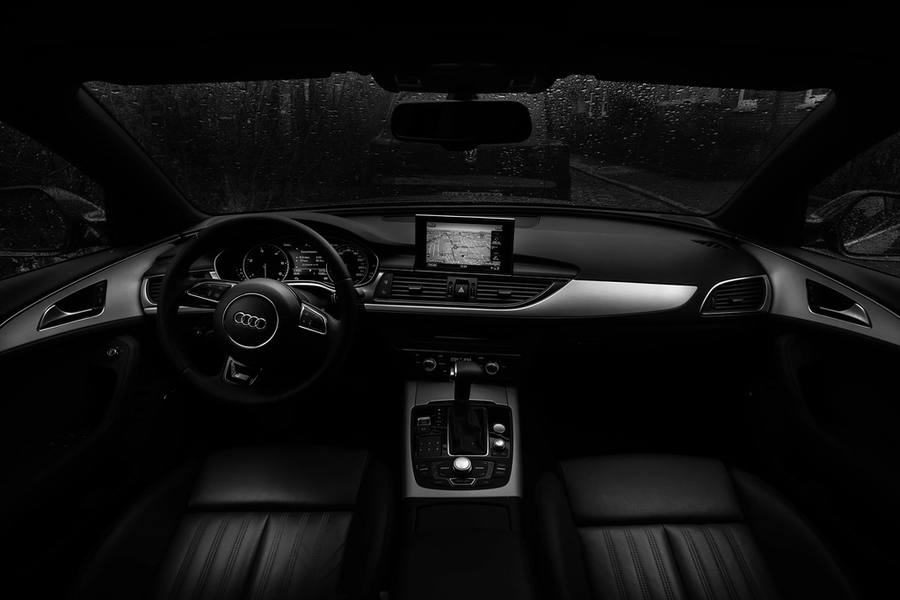
Temsili görsel (stok fotoğraf); ürünün kendisi değildir.
Sun Destroys Dashboards
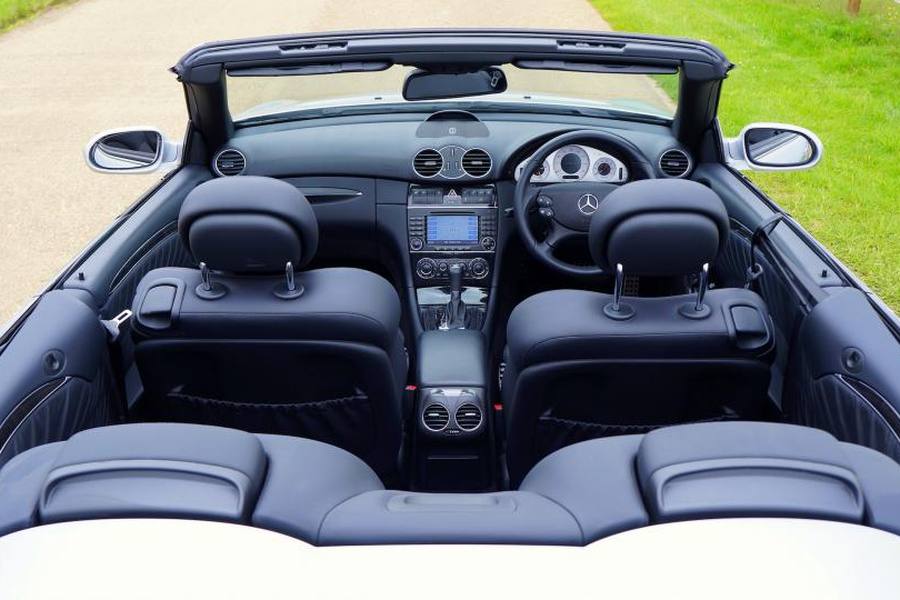
The dashboard faces the windscreen and takes direct sun for hours, which fades colour, makes plastic brittle and eventually causes cracking.
That damage is cumulative and irreversible, and a cracked dashboard cannot be restored — only covered or replaced, both of which are expensive.
A protectant with UV absorbers slows the process, which for a car kept long term is worth doing regularly rather than occasionally.
Matte, Not Glossy
Glossy dashboard dressings reflect in the windscreen, producing a visible haze in bright sun that is genuinely distracting and reduces visibility.
They also look wrong on modern interiors, which are designed with matte finishes, and a shiny dashboard reads as cheap rather than cared for.
A matte protectant is the correct choice for a dashboard, and glossy products belong on exterior trim and tyres if anywhere.
Greasy Products Attract Dust
Oily dressings leave a tacky surface that dust sticks to immediately, which is why a dressed dashboard often looks dustier a day later than an undressed one.
Water-based non-greasy products dry to a dry touch and do not do this, and they are what modern interiors need.
The test is whether the surface feels dry after a few minutes. If it is still tacky, too much was applied or the product is the wrong type.
Application And Overspray
Product should go on an applicator or cloth and be wiped on, never sprayed directly at the dashboard, because overspray reaches the windscreen and the screen.
Overspray on the inside of a windscreen is difficult to remove and causes glare, and it is the commonest self-inflicted problem with these products.
Any product that reaches a touchscreen should be removed immediately with a dedicated screen cleaner, since dashboard products damage screen coatings.
Door cards and pillar trim are worth treating at the same time and are routinely forgotten, because the upper door trim takes direct sun through the side glass and fades in exactly the same way a dashboard does. A faded door top next to a protected dashboard is a common sight in older cars and is entirely avoidable. It costs nothing extra in product and adds a couple of minutes to the job.
Shade Beats Any Product
A windscreen sunshade reflects most of the heat and UV before it reaches anything, which is more effective than any protectant applied to the surface.
Parking in shade or facing away from the sun achieves the same thing for free.
A protectant is a supplement to controlling exposure rather than a replacement for it, and the combination is what actually preserves an interior.
Application frequency is worth keeping sensible rather than treating it as something done every wash. Every couple of months is ample for a protectant that is genuinely doing its job, and more frequent application simply builds product on the surface without adding protection. A dashboard that has had product applied weekly for a year often needs cleaning back with an interior cleaner before anything new will sit properly on it.
The Verdict
A worthwhile regular step for a car kept long term, slowing the UV damage that permanently ruins dashboards.
Glossy products cause windscreen glare, oily ones attract dust, and overspray on glass is difficult to remove.
Use a windscreen shade as well. It blocks more heat and UV than any product applied to the dashboard can.
Bir bakışta
Artılar
- Slows irreversible UV fading and cracking
- Matte finish avoids windscreen glare
- Water-based products dry to a dry touch
- Cheap relative to a cracked dashboard
Eksiler
- Glossy versions cause dangerous windscreen reflections
- Oily products attract dust immediately
- Overspray on glass is hard to remove
- Less effective than simply using a sunshade
Sıkça sorulan sorular
Matte or glossy?
Matte, always, on a dashboard. Glossy dressings reflect in the windscreen and produce a visible haze in bright sun that reduces visibility, and they look wrong on modern interiors designed with matte finishes.
Why does my dashboard get dusty after dressing it?
Oily products leave a tacky surface that dust sticks to immediately. Water-based non-greasy protectants dry to a dry touch. If the surface is still tacky after a few minutes, too much was applied or it is the wrong type.
Is a sunshade better?
More effective, yes — it reflects heat and UV before either reaches the dashboard. A protectant is a supplement to controlling exposure rather than a replacement, and the two together are what actually preserves an interior.
Teknik Özellikler
| Type | Interior UV protectant |
| Finish | Matte, never glossy |
| Base | Water-based, non-greasy |
| Application | On a cloth, never sprayed at the dash |
| Test | Surface should feel dry within minutes |
| Keep away from | Touchscreens and glass |
| More effective | Windscreen sunshade |
| Damage prevented | Fading, brittleness, cracking |
Özet
Matte and non-greasy, applied to a cloth not sprayed. And a windscreen shade blocks more UV than any product can.
Amazon'da Fiyatı Kontrol Et